What to Look for When Buying a Used Car
Buying a used vehicle can be a smart way to maximize value while finding a car, SUV, or truck that fits your needs and budget. However, knowing what to look for before making a purchase is essential. Whether you're researching how to buy a used car for the first time or looking for used car purchase tips before upgrading your current vehicle, taking the time to evaluate condition, history, pricing, and overall value can help you make a more informed decision.
One of the best tips for buying a used car is to approach the process with a plan. By understanding vehicle history reports, inspecting key components, comparing options, and completing a thorough test drive, shoppers can identify vehicles that offer long-term reliability and avoid unexpected surprises after purchase.
How to Buy a Used Car: Start with Vehicle History
One of the most important steps in learning how to buy a used car is reviewing the vehicle's history. A vehicle history report can provide valuable information about previous ownership, reported accidents, service records, registration history, and other factors that may affect value or reliability.
When reviewing a history report, look for consistent maintenance records, reasonable ownership history, and any signs of significant accident damage. A vehicle with a well-documented service history often provides greater confidence than one with limited maintenance information. Vehicle history reports are among the most valuable tips for buying a used car because they help shoppers better understand what they are buying before making a commitment.
What to Look for When Inspecting a Used Car
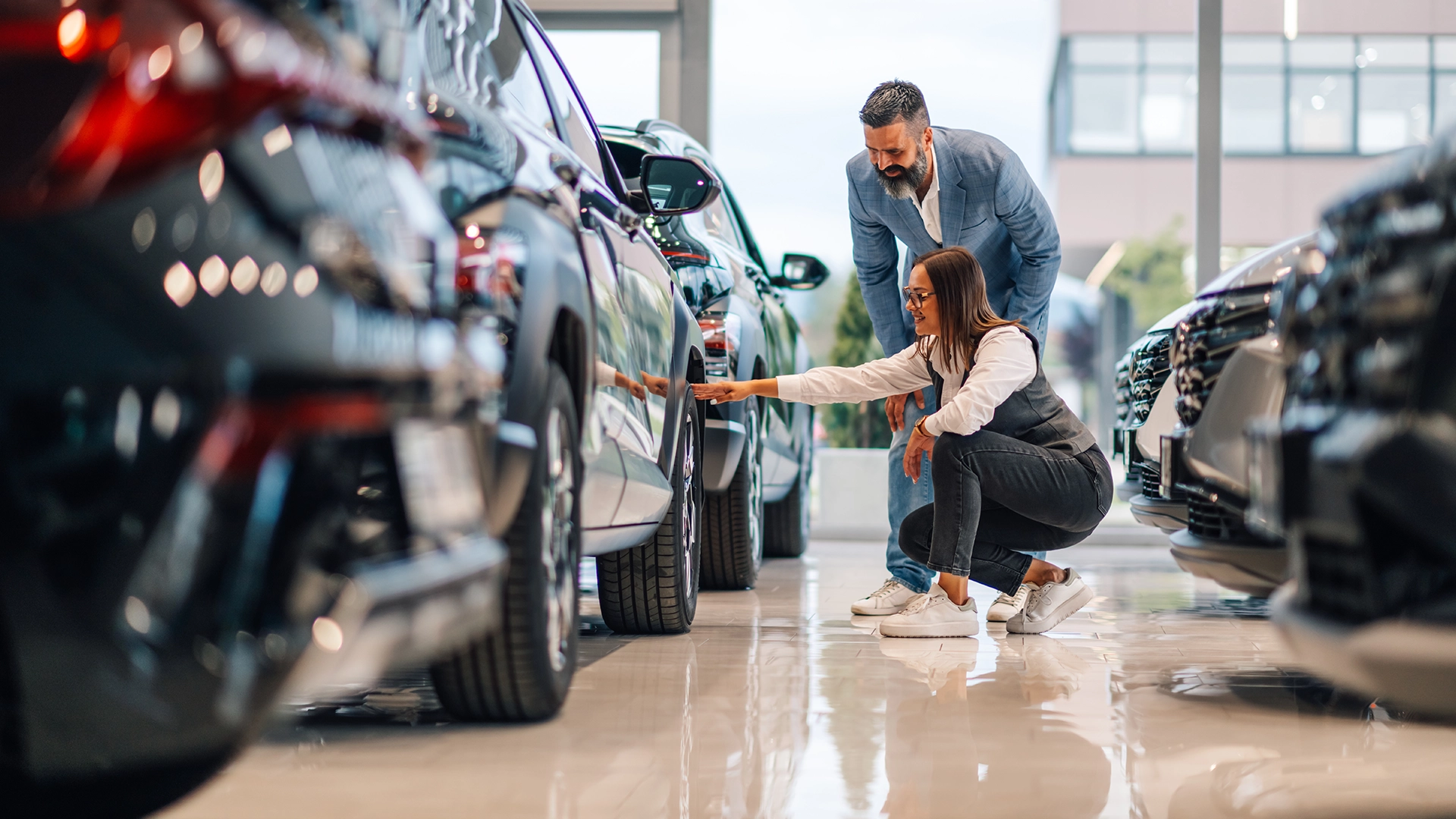
A careful inspection can reveal important details about a vehicle's overall condition. Begin by examining the exterior for signs of rust, dents, paint inconsistencies, body damage, or uneven panel gaps that may indicate previous repairs.
Inside the vehicle, inspect the seats, carpets, dashboard, controls, and infotainment systems. Excessive wear may indicate heavier use than the odometer suggests. Make sure features such as power windows, climate controls, heated seats, lighting systems, and safety technologies function properly.
Under the hood, look for fluid leaks, worn belts, corrosion, and signs of neglected maintenance. Even if the vehicle appears clean, a professional inspection can provide additional peace of mind before purchase.
Mileage and Ownership History Considerations
Mileage is often one of the first factors shoppers consider when comparing used vehicles, but it should not be viewed in isolation. A well-maintained vehicle with higher mileage may offer better value than a lower-mileage vehicle with poor maintenance history.
Ownership history can also provide insight into how a vehicle was cared for. Vehicles with fewer owners and consistent service records are often desirable because they may indicate more predictable maintenance and usage patterns.
One of the most practical tips for buying a used car is to evaluate mileage, maintenance history, condition, and pricing together rather than focusing on a single factor.
Used Car Purchase Tips for the Test Drive
The test drive is one of the most important parts of the buying process. It gives you the opportunity to evaluate how the vehicle performs in real-world conditions and identify potential issues that may not be visible during a visual inspection. During your test drive, pay attention to:
- Braking performance
- Steering responsiveness
- Acceleration and transmission operation
- Ride quality and suspension performance
- Unusual noises or vibrations
- Visibility and comfort
- Technology and safety features
Try to drive on a variety of roads whenever possible, including city streets and highways. This provides a better understanding of how the vehicle handles different driving situations.
Comparing Used Vehicles and Understanding Value
Learning how to buy a used car also involves comparing multiple options before making a final decision. Vehicle pricing can vary significantly depending on age, mileage, condition, features, ownership history, and market demand. When comparing vehicles, consider:
- Vehicle condition
- Reliability reputation
- Ownership costs
- Fuel efficiency
- Safety ratings
- Maintenance history
- Available features
- Warranty coverage
Looking beyond the sticker price can help you identify the best overall value and avoid unexpected ownership costs down the road.
Choosing a Used Vehicle That Fits Your Lifestyle
Every driver has different priorities. Commuters may focus on fuel efficiency and reliability, while growing families often prioritize safety features, passenger space, and cargo capacity. Drivers who regularly face winter weather may prefer all-wheel drive capability, while others may prioritize towing capacity or advanced technology.
One of the best used car purchase tips is to choose a vehicle that supports your daily needs rather than focusing solely on appearance or price. Taking time to evaluate how you will use the vehicle can help ensure long-term satisfaction with your purchase.
Benefits of Shopping Used Cars with ClearCar
When shopping for a used vehicle, transparency and confidence matter. At ClearCar, every vehicle is carefully inspected and includes a free CARFAX® Vehicle History Report to help shoppers better understand the vehicle's condition and ownership history before making a decision.
ClearCar also offers transparent TruePrice pricing,flexible financing options, and a 7-Day Peace of Mind Guarantee that helps shoppers feel more confident throughout the buying process. Whether you're researching how to buy a used car or ready to begin shopping, our goal is to provide a customer-focused experience that makes vehicle buying simpler and more transparent.
What to Look for When Buying a Used Car FAQs
Vehicle condition, maintenance history, and the vehicle history report are among the most important factors to review before purchasing a used vehicle.
Compare pricing, mileage, condition, ownership history, maintenance records, reliability ratings, and ownership costs to determine overall value.
There is no universal mileage limit. A well-maintained vehicle with higher mileage can often be a better purchase than a lower-mileage vehicle with poor maintenance history.
A vehicle history report helps identify previous accidents, ownership history, registration records, and other information that may affect a vehicle's value and condition.
Pay attention to braking, steering, acceleration, ride quality, unusual noises, technology features, visibility, and overall comfort.
Yes. A professional inspection can identify mechanical concerns that may not be obvious during a visual inspection or test drive.
Review the vehicle history report, inspect the vehicle carefully, complete a thorough test drive, compare multiple options, and understand total ownership costs before making a purchase.
Consider your budget, driving habits, passenger needs, fuel economy requirements, safety priorities, and long-term ownership expectations when comparing options.
ClearCar offers thoroughly inspected vehicles, free CARFAX® Vehicle History Reports, transparent pricing, flexible financing options, and a 7-Day Peace of Mind Guarantee to help shoppers buy with confidence.